
Manual tasks
Training grounded in the work people do
Hazardous manual tasks need more than a generic lifting talk. Our allied health clinicians review the real task, the sources of physical risk and the controls your people use, then tailor practical instruction to the workplace.
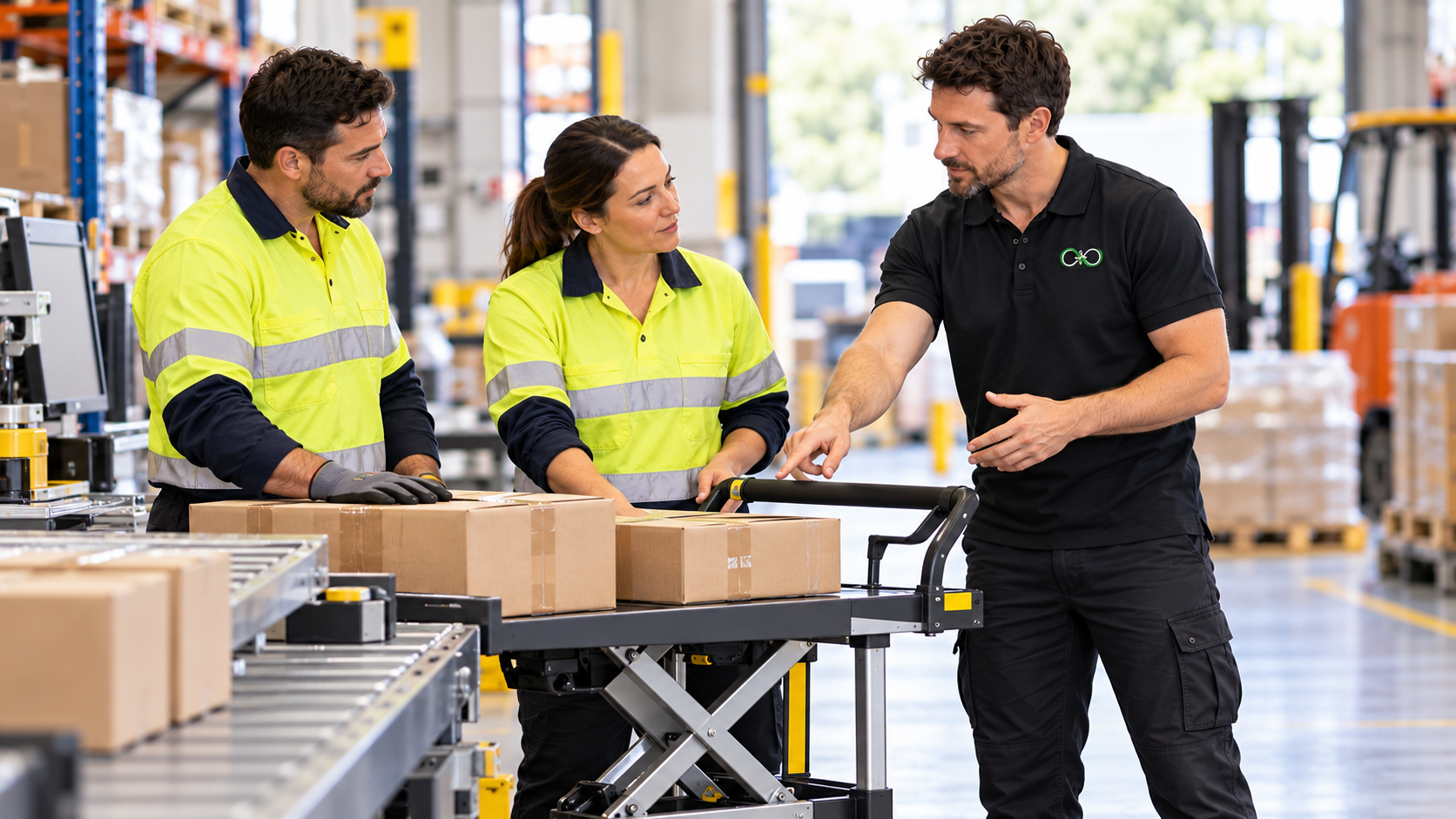
A task-focused approach
We discuss the job, observe or document relevant tasks where agreed, and identify the physical demands and constraints. Training can cover task preparation, movement choices, team communication and use of available equipment. The exact content and format depend on the workplace and scope.
Training supports stronger controls
We look first at whether a hazardous task can be eliminated, redesigned or supported with suitable equipment. Instruction can then help workers understand the chosen controls, use aids properly, plan the task and report problems. A stand-alone 'how to lift' session does not control the source of hazardous manual-task risk.
Further guidance: SafeWork NSW manual-task risk management.
Further guidance: SafeWork NSW position on how-to-lift training.
Who it may suit
Teams performing repetitive handling, new or changed tasks, or work with variable loads may benefit from a focused review. We can also help frame a job demand analysis (JDA) when detailed task information is needed.
Our task review and training process
- Prioritise. Agree which tasks, incidents, worker concerns or changes need attention first.
- Observe. Review the task with workers, including force, repetition, sustained postures, layout, loads and equipment.
- Plan controls. Discuss design, equipment and work-organisation options before tailoring any instruction.
- Train and follow up. Deliver practical task-specific guidance and agree who will trial and review the controls.
What you receive
Depending on scope, we can provide a task summary, risk-control recommendations, a session plan, attendance record and actions for the employer to trial or review. We agree the deliverables in advance.
Questions employers ask
Do you issue a generic lifting certificate?
We focus on task-specific instruction and agreed workplace controls. We can discuss the documentation your organisation needs, but a certificate alone is not proof that a task is safe.
Can staff training replace equipment changes?
No. Where design or equipment is needed to control risk, instruction is a supporting measure rather than a substitute.
Can training be tailored to our equipment and tasks?
Yes. We ask to observe representative tasks and understand the loads, layout, equipment and work pace so instruction reflects the controls people actually use.
What should we do before booking a session?
Tell us which tasks, incidents or worker concerns prompted the request and who will attend. We can then agree whether a task review, control changes, practical instruction or a combination is appropriate.
Plan a session
Tell us the task, location, participant numbers and equipment involved. We will propose a suitable scope and quote.